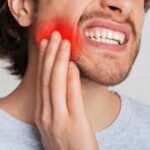
Tooth pain has a way of stealing your focus. One minute you’re fine, the next you can’t think about anything else. Teeth pain is common, but it’s not something to brush off or “tough out” for long, because the cause often gets worse with time.
This guide covers safe first aid you can do at home, what your symptoms might be trying to tell you, and the clear signs that mean you need dental care fast. If you’re hurting right now, start with the home steps below and make a plan to get checked.
First aid for tooth pain at home (what to do right now)
These steps won’t cure a cavity or infection, but they can calm pain and protect the tooth until you can see a dentist. Think of it like putting a lid on a boiling pot, it helps in the moment, but you still need to fix the burner.
Rinse, clean, and protect the tooth
Start simple. Many toothaches get worse when the area is irritated by food, plaque, or swollen gums.
Mix a warm salt water rinse (about 1/2 teaspoon of salt in 8 ounces of warm water). Swish gently for 30 seconds, then spit. Do this a few times a day, especially after meals. Salt water can soothe inflamed gums and help wash away debris.
Next, floss carefully around the painful tooth. Go slow and be gentle. If something is stuck between teeth, removing it can reduce pressure and stop sharp, “zapping” pain. If your gums bleed a little, don’t panic, but don’t force the floss.
Skip sharp tools. Don’t pick at the tooth with a pin, toothpick, or anything metal. That can cut gums, break a filling, or push debris deeper.
Protect the area while you wait:
* Chew on the other side.
* Choose soft foods (eggs, yogurt, soup that’s warm, not hot).
* Avoid very hot or very cold drinks for now, quick temperature changes can trigger pain.
* If a tooth has a sharp edge, dental wax from a pharmacy can cover it temporarily.
If you have swelling near the tooth, keep your head a bit elevated when resting. Lying flat can increase throbbing.
For many toothaches, cold helps more than heat. Place a cold pack on the cheek near the sore tooth for 10 to 15 minutes, then take a break. Repeat as needed. Wrap the pack in a thin cloth so you don’t irritate the skin.
Over-the-counter (OTC) pain medicine can help you function until you’re seen. Common options include ibuprofen and acetaminophen.
Basic safety rules matter:
* Follow the label dosing and timing.
* Don’t take two products that contain the same ingredient (acetaminophen is often hidden in cold and flu meds).
* Don’t put aspirin on your gums or tooth. It can burn tissue.
* Avoid ibuprofen and other NSAIDs if a clinician has told you not to take them (for some people with ulcers, kidney disease, or certain heart conditions).
* If you’re pregnant, on blood thinners, or managing chronic illness, check with a clinician or pharmacist before taking anything new.
Skip alcohol while you’re in pain. It can increase bleeding, irritate tissues, and interact with some medications. Also avoid “numbing” liquids that you sip and hold in your mouth for long periods, they can irritate gums if overused.
What tooth pain can mean (and how to respond)
Tooth pain is a symptom, not a diagnosis. Still, your body often drops clues. Use these patterns to choose the next step and how urgent it is.
Sharp pain with cold or sweets: sensitivity or early decay
If cold water, ice cream, or sweets trigger a quick, sharp pain that fades fast, it may be tooth sensitivity. This can happen when enamel wears down, gums recede, or dentin becomes exposed. A small cavity can feel similar at first.
What to do now:
* Switch to a sensitivity toothpaste and use it daily (it needs time to work).
* Brush with a soft toothbrush and light pressure, scrubbing hard can make sensitivity worse.
* Consider a fluoride mouthwash if it’s appropriate for you, then spit it out (don’t swallow).
* Avoid frequent snacking on sugary foods and acidic drinks, they keep teeth under attack.
Book a dental exam soon, even if the pain is mild. Home care can calm sensitivity, but it won’t repair a cavity. Small problems are usually easier and cheaper to fix.
Throbbing pain, swelling, bad taste, or fever: possible infection
A deep, throbbing toothache that lingers can signal infection. Gum swelling, a pimple-like bump on the gums, a bad taste, facial swelling, or fever are bigger warning signs. This can point to an abscess or a serious gum infection.
What to do next:
* Call a dentist the same day if possible.
* If you have fever, swelling that’s spreading, or you feel sick, go to urgent care or an ER.
Important don’ts:
* Don’t try to drain it yourself.
* Don’t take leftover antibiotics or someone else’s prescription.
* Don’t assume antibiotics alone will solve it. The source often needs dental treatment (like draining, a root canal, or removal).
Infections in the mouth can spread. If pain is paired with swelling, treat it as urgent.
Pain when chewing or after dental work: cracked tooth, high filling, or grinding
Pain when you bite can mean a few things. A cracked tooth can hurt sharply, sometimes more when you release the bite. A filling or crown that’s “high” can make the tooth feel sore because it’s taking too much force. Teeth grinding can also cause a dull ache, along with jaw soreness when you wake up.
What to do now:
* Stick to softer foods for a day or two.
* Avoid chewing on that side.
* If you already have a dentist-prescribed night guard, wear it. Don’t buy a random one as a fix for sudden pain.
Call your dentist. A simple bite adjustment can bring quick relief if the filling is too high. If a crack is involved, early care can save the tooth.
When to see a dentist, and how to prevent tooth pain from coming back
Some toothaches can wait a short time, others can’t. If pain lasts more than a day or two, keeps waking you up, or returns in waves, schedule a dental visit even if your home care helps.
Red flags that need urgent dental or medical care
Seek urgent dental care, urgent care, or emergency care if you have:
* Trouble breathing or swallowing (go to the ER)
* Swelling under the jaw, into the neck, or around the eye
* Fever, pus, or a bad taste with swelling
* Severe pain that’s getting worse
* Bleeding that won’t stop
* An injury that knocked a tooth loose or out
* Numbness in your face or lip
* You can’t open your mouth well
If you’re not sure, call a dentist’s office. Many can triage over the phone and tell you where to go.
Simple habits that lower tooth pain risk
Most tooth pain starts with small damage that grows quietly. A few steady habits reduce your odds:
* Brush twice a day with fluoride toothpaste.
* Floss once daily, gently.
* Limit frequent sugar and soda, sipping over hours is rough on enamel.
* Drink water after meals to help rinse acids and sugars.
* Use a mouthguard for sports.
* If you grind your teeth, talk to your dentist about a fitted guard.
* Keep regular cleanings and exams.
* Avoid tobacco, it raises gum disease risk and slows healing.
If you’re wondering what the dentist might do, it depends on the cause. You may need X-rays, a filling, a bite adjustment, treatment for gum infection, or a root canal. Getting in early usually means a simpler visit.
Conclusion
To treat tooth pain, start with safe home first aid, rinse, gentle cleaning, cold packs, and careful OTC meds. Watch closely for signs of infection like swelling, fever, or a bad taste, those need fast care. Lasting relief almost always comes from fixing the cause, not just calming symptoms.
If your toothache lasts more than 1 to 2 days or keeps coming back, book a dental appointment. Pain is a signal, and you don’t have to wait until it’s unbearable to act.
F0llow these tips step by step by step on how to treat teeth pain successfully.