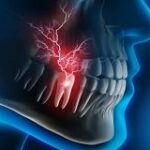
Tooth pain can feel like a quick zap when you sip cold water, a dull ache that won’t quit, or a deep throb that keeps you up at night. Sometimes it’s pressure when you bite down, other times it’s a sting from hot coffee or even from brushing. The tricky part is that different problems can create similar pain, and the right fix depends on the real cause.
Figuring out what’s behind teeth pain matters because small issues can turn into bigger ones if you wait too long. One safety note: if you have severe swelling, fever, trouble swallowing or breathing, or heavy bleeding, get urgent medical care. This post covers common causes of tooth pain, other sneaky sources that can mimic it, and what to do next.
Common causes of tooth pain (and what the pain can feel like)
Tooth pain is like a smoke alarm. It doesn’t always tell you exactly where the fire is, but it tells you something needs attention. Here are the most common dental causes and the clues people often notice.
Cavities and tooth decay: pain that gets worse with sweets, cold, or chewing
A cavity starts when plaque (a sticky film) feeds on sugar and makes acid that weakens enamel. Early on, you might feel nothing. As the weak spot grows and gets closer to the inner layers of the tooth, nerves get irritated.
Common clues include pain with cold drinks, sweets, or chewing on that side. Some people notice a rough spot, food always getting stuck in one groove, or a dark mark that wasn’t there before. You might also have bad breath that doesn’t improve with brushing.
If decay reaches the deeper center of the tooth, germs can irritate the nerve and set up an infection. That’s when pain tends to shift from “ouch when I chew” to “it hurts even when I’m doing nothing.”
Gum problems: sore gums, bleeding, and pain near the tooth
Sometimes the tooth isn’t the main problem, the gums are. Gingivitis is gum inflammation from plaque near the gumline. Gums may look red, feel tender, and bleed when you brush or floss. If it progresses to gum disease, the gums can pull away from the teeth, creating deeper pockets that trap bacteria.
This can make teeth feel sore or “bruised,” especially when chewing. Receding gums can also expose the root surface, which is more sensitive than enamel. People often report a bad taste, swelling around a tooth, or gums that seem puffy and shiny.
Tooth sensitivity: quick zings from cold, heat, or brushing
Tooth sensitivity often feels like a fast, sharp jolt, then it fades. A common cause is exposed dentin, the layer under enamel that has tiny channels leading toward the nerve. When enamel wears down or gums recede, those channels react to temperature and touch.
Typical triggers include ice water, hot tea, sweet snacks, brushing, whitening products, and acidic drinks (like soda, sports drinks, or citrus). Aggressive brushing can also wear enamel near the gumline.
Sensitivity is usually brief. If the pain lingers, throbs, or wakes you up, something else may be going on.
Cracked tooth or broken filling: pain when biting down, then relief
A small crack can act like a splinter in wood. It might not show up in the mirror, but it can still hurt. With a cracked tooth, pain often spikes when you bite, then eases when you release. Chewy candy, popcorn kernels, or grinding your teeth can start the problem. Old fillings can loosen or break, leaving the tooth less supported.
Clues include pain that comes and goes, sharp pain on one side of a tooth, or sudden sensitivity to cold. Because tiny cracks can be hard to spot, dentists may use X-rays and bite tests to find the source.
Infection or abscess: constant throbbing, swelling, and bad taste
When germs reach the nerve inside a tooth, an infection can build pressure in and around the root. This can happen after deep decay, a crack, or sometimes after trauma. The pain may be steady and throbbing, and it can spread into the jaw, ear area, or neck.
Warning signs include swelling of the gum or face, pus or a pimple-like bump on the gums, fever, a bad taste, and pain that wakes you up. Some people say the tooth feels “tall.” It may hurt to tap it or even touch it lightly.
If you have fever, swelling that’s spreading, or trouble swallowing or breathing, treat it as urgent and get care right away.
Not all “tooth pain” starts in the tooth: other causes to consider
Teeth share nerve pathways with the jaw, sinuses, and parts of the face. That’s why pain can be “referred,” meaning you feel it in a tooth even when the tooth is healthy. This doesn’t mean you should ignore it, it means the check needs to be broader.
Clenching and grinding (bruxism) can make teeth feel achy, sore, or sensitive, especially in the morning. It can also strain the jaw joint (TMJ) and the chewing muscles.
Clues include jaw tightness, headaches after waking, clicking or popping near the ear, and teeth that look flatter or more worn. Stress can make it worse, and so can caffeine or alcohol for some people.
A dentist can check for wear patterns and may suggest a custom night guard. If the pain is muscle-related, the teeth may test fine.
Sinus pressure and colds: upper back teeth pain with stuffy nose
Your upper back teeth sit close to the sinus cavities. When you have a cold, allergies, or a sinus infection, swollen sinus tissue can press on nearby nerves and mimic tooth pain.
Clues: several upper teeth hurt at once, the pain feels like pressure, it’s worse when bending over, and you also have congestion or facial fullness. As the sinus issue improves, the tooth pain often fades. Pain that stays focused on one tooth, or lasts after congestion clears, needs a dental check.
Nerve pain and other less common causes: when symptoms do not match a tooth problem
Some pain doesn’t follow the usual patterns of cavities or gum problems. Trigeminal nerve pain can feel like sudden electric shocks in the face or teeth. Shingles can cause burning pain and may come with a facial rash. Migraine-type facial pain can also mimic dental pain.
If pain is shock-like, happens in bursts, or you notice a rash, a clinician should evaluate it.
What to do next: quick self-check, safe relief, and when to see a dentist
Pain is information. The more clearly you can describe it, the faster you can get the right help.
A simple tooth pain checklist you can do at home
Jot down quick notes before you call. These details help a lot:
1. Which tooth (top or bottom, left or right) hurts most?
2. When did it start, and is it getting worse?
3. Is it triggered by cold, heat, sweets, or brushing?
4. Does it hurt when you bite down, or only when you let go?
5. Do you see swelling, a gum bump, or any pus-like drainage?
6. Are your gums bleeding when you brush or floss?
7. Did you recently have dental work, a hard bite, or a cracked filling?
8. Do several upper teeth hurt along with congestion or sinus pressure?
Home relief that is usually safe (until you get care)
These steps can calm irritation without masking warning signs:
* Rinse with warm saltwater a few times a day.
* Use a cold pack on the cheek (10 to 15 minutes at a time).
* Stick to soft foods and avoid extreme hot or cold drinks.
* Brush gently with a soft toothbrush and keep flossing carefully.
* Use over-the-counter pain relievers as labeled (don’t put aspirin directly on gums, it can burn tissue).
Clove oil is popular online, but it can irritate gums if used too strong or too often. If you try it, use a tiny amount and stop if it stings.
When tooth pain is an emergency, and when a regular appointment is enough
Seek urgent care now if you have:
* Facial or jaw swelling
* Fever, chills, or feeling ill
* Pus, spreading redness, or severe worsening pain
* Trouble breathing or swallowing
* Trauma with a loose tooth or a tooth pushed out of place
* Bleeding that won’t stop
Book a dental visit soon (within 1 to 2 days) if:
* Pain lasts more than 1 to 2 days
* Pain happens when biting or chewing
* Sensitivity is getting stronger or lasting longer
* A filling is broken or missing
* You suspect a crack, even if it’s hard to see
Conclusion
The cause of teeth pain isn’t always obvious, but the type of pain often points in the right direction. Cavities, gum problems, sensitivity, cracks, and infection are common dental causes, and jaw or sinus issues can mimic tooth trouble. Acting early usually means simpler treatment and less stress.
If pain sticks around, schedule a dental visit and bring your notes from the checklist. Use the red flags to judge urgency, and don’t wait on swelling, fever, or breathing or swallowing trouble. Protect your smile by treating tooth pain like the warning sign it is.
Follow these tips step by step to know the cause of teeth pain and get rid of it successfully.