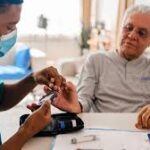
If you’re looking for the best way to treat diabetes, here’s the honest answer: it’s rarely one magic trick. The best treatment is a personal plan that blends healthy habits, smart monitoring, and the right medicines for your body and your schedule.
The main goals are simple. Keep blood sugar in a safe range, protect your heart, kidneys, eyes, and nerves, and feel steady day to day (more energy, fewer symptoms, better sleep).
Treatment also depends on what type you have. Type 1 and type 2 diabetes care share some basics, but the medicine plan can look very different. Work with a clinician to build a plan you can actually live with, not one that looks perfect on paper.
The best way to treat diabetes starts with the right diagnosis and clear goals
Diabetes care gets easier when you stop guessing and start tracking the right things. A good plan begins with knowing your type, knowing your risks, and agreeing on goals that match your life.
You don’t need to memorize medical terms. You just need a clear “dashboard” of numbers, plus a way to act on them.
Type 1 vs type 2 diabetes treatment: what changes and what stays the same
Type 1 diabetes happens when the body stops making insulin. People with type 1 need insulin to live, every day, and they usually benefit from structured carb counting and frequent glucose checks.
Type 2 diabetes often starts with insulin resistance. Early treatment may focus on lifestyle changes and pills, and some people later add injectable meds or insulin. Needing insulin isn’t a failure, it’s just the next tool.
Gestational diabetes can show up during pregnancy and needs close monitoring to protect both parent and baby. It often improves after delivery, but it raises future type 2 risk.
No matter the type, the shared basics stay the same: meal planning, movement, monitoring, sleep, stress care, and routine checkups.
Your targets: A1C, daily blood sugar, blood pressure, and cholesterol
Targets should be personal, but it helps to know common reference points to discuss with your clinician. Your age, pregnancy status, kidney health, and low-blood-sugar risk can change the “right” goal.
What to trackWhat it meansCommon discussion targets (often adjusted)A1C goalsAverage blood sugar over ~3 monthsMany adults aim around <7%Blood sugar targetsDay-to-day readingsOften 80 to 130 before meals, under 180 1 to 2 hours after mealsTime in range (CGM)% of time in a goal rangeMany aim for more time between 70 to 180Blood pressureHeart and kidney strainOften around <130/80 for manyCholesterolArtery healthLDL goals vary by heart risk
A1C is useful, but it can hide swings. That’s why “time in range” matters for people using a continuous glucose monitor (CGM). Ask your clinician which numbers matter most for you, and what to do if you’re often high or low.
Daily habits that improve blood sugar fast and protect you long term
Daily habits can lower blood sugar naturally, but they’re not a replacement for medical care. Think of them as the foundation that makes every medicine work better, and often lets you use less over time.
The best habits are the ones you can repeat on a busy Tuesday.
Eating for diabetes: build meals around fiber, protein, and smart carbs
A practical diabetes diet doesn’t mean “no carbs.” It means choosing carbs that digest more slowly, and keeping portions steady.
Try the simple plate method:
* Half the plate: non-starchy veggies (salad, broccoli, peppers, green beans)
* One quarter: lean protein (chicken, fish, tofu, eggs, beans)
* One quarter: high-fiber carbs (brown rice, quinoa, beans, fruit, sweet potato)
A few swaps that make a big difference:
* Soda or sweet tea to water or unsweetened sparkling water
* White bread to whole grain (watch portions, even whole grain raises sugar)
* Chips to nuts or roasted edamame (still calorie-dense, so keep it small)
Two habits that often move numbers fast are cutting sugary drinks and adding more fiber. Also check labels for added sugar and total carbs, and keep an eye on “healthy” snacks that quietly pack a lot of carbs.
Meal timing can matter too. Some people spike more at breakfast, others at night. If your numbers run high after dinner, a smaller carb portion at dinner can be more effective than trying to “be perfect” all day.
Exercise and movement: how to start safely and see results
Exercise for diabetes works like opening extra doors for glucose to leave your bloodstream and enter your muscles. It improves insulin use and can lower blood sugar for hours after you move.
A starter plan that feels doable:
* Take a 10 to 15-minute brisk walk after one meal each day
* Build toward about 150 minutes per week of moderate activity (like fast walking)
* Add strength training 2 days per week (bands, weights, bodyweight)
* For older adults, add balance work (standing on one foot near a counter)
Safety matters if you use insulin or certain pills (like sulfonylureas) that can cause lows.
* Check your blood sugar when needed, especially with new workouts
* Carry fast carbs (glucose tabs, juice)
* Wear well-fitting shoes and check your feet
* Stay hydrated, and skip workouts if you feel sick or dizzy
Weight, sleep, and stress: small changes that make treatment easier
For many people, weight loss for type 2 diabetes improves blood sugar and can reduce the need for medication. Even modest loss can help, especially when it’s paired with movement and higher-protein, higher-fiber meals.
Sleep and stress can push blood sugar up, even when food hasn’t changed. Poor sleep raises stress hormones, and those hormones tell the liver to release more glucose.
Simple actions that tend to stick:
* Keep a steady bedtime and wake time most days
* Limit alcohol, it can cause both highs and lows
* Use a 3-minute breathing reset (slow inhale, slower exhale)
* Set phone reminders for meds and meals when your days run long
Some people reach remission with sustained weight loss and medical support, but it’s not a promise and it’s not the only measure of success. Better numbers and fewer symptoms count, even if diabetes doesn’t “go away.”
Medicines, monitoring, and checkups: the treatment plan that keeps you safe
Diabetes medicines aren’t punishment. They’re tools that lower risk, reduce symptoms, and protect organs over time. The key is teamwork with your clinician, and never changing doses on your own.
Monitoring and routine screenings turn “silent” problems into fixable ones.
Common diabetes medicines explained simply (and why your doctor picks them)
For type 2 diabetes, metformin is often a first choice because it lowers glucose output from the liver and is low cost. Common side effects include stomach upset and diarrhea, which often improve with time or an extended-release version.
Other meds may be added based on your goals:
* GLP-1 medicines can reduce appetite and help with weight loss for some people, and some options also support heart health. Nausea and constipation can happen, especially early.
* SGLT2 medicines help the kidneys pass extra glucose in urine, and some options help protect the heart and kidneys. Possible side effects include yeast infections, dehydration, and rare ketoacidosis.
Insulin is required for type 1 diabetes and sometimes needed in type 2. The main risks are low blood sugar and weight gain. Ask about costs, insurance coverage, and simpler dosing options if your schedule is unpredictable.
Monitoring blood sugar: fingersticks, CGMs, and what to do with the numbers
Monitoring helps most when you use it to spot patterns, not judge yourself for a single number.
Fingersticks can be enough for many people, especially if they check at times that answer a question (before breakfast, 2 hours after meals, before driving, during illness). A continuous glucose monitor (CGM) can show trends, like overnight highs or post-meal spikes you didn’t feel.
Use an “if then” mindset:
* If readings are often high at the same time each day, bring that pattern to your clinician
* If you spike after a certain meal, adjust the carb portion or add a short walk after
Know the basics of low blood sugar (shaking, sweating, confusion, fast heartbeat). The common “15-15 rule” is simple: take 15 grams of fast carbs, wait 15 minutes, then re-check.
Preventing complications: the screenings that matter and warning signs to act on
Diabetes complications prevention is mostly routine care, done on schedule.
* Eye exams to catch retinopathy early
* Kidney labs (urine albumin and blood tests like eGFR)
* Foot checks, plus daily at-home checks if you have numbness
* Dental care (gum disease is more common with diabetes)
* Vaccines (flu, COVID, pneumonia, hepatitis B as advised)
* Heart risk care, including blood pressure and cholesterol review
Get urgent care for red flags like very high blood sugar with vomiting, confusion, deep breathing, chest pain, signs of stroke, or severe low blood sugar that doesn’t improve.
Conclusion: Put diabetes treatment on a plan, not on willpower
The best way to treat diabetes is a personal plan that mixes daily habits, the right meds, and steady monitoring and checkups. When the plan fits your real life, it’s easier to follow and easier to adjust when things change.
Try a simple next step list this week: pick one food change (often sugary drinks), add short walks after meals, schedule labs or an eye exam, and ask your clinician about meds that protect the heart and kidneys. Keep the focus on progress, not perfection, and get medical advice for goals that match your health and risks.